Medical Aesthetics


PRP Treatments
What are PRP Treatments?
Platelet-rich plasma (PRP) is a treatment that involves taking a sample of a patient's blood, processing it to concentrate the platelets, and then injecting this concentrated plasma back into the patient. Platelets are a component of blood that play a role in clotting and contain growth factors that are thought to promote healing.
PRP therapy is used in various medical fields, including orthopedics, sports medicine, and dermatology, among others. It is used to promote healing in injuries such as tendonitis, muscle sprains, and ligament injuries, as well as to improve skin texture and hair growth in cosmetic procedures.

Hair Restoration
This procedure is suited for causes of hair thinning in both males and females.
Benefits:
✓ Increases blood supply to hair follicle
✓ Increases diameter of the hair shaft to produce thicker hair
✓ Helps trigger growth phase in the hair follicle
✓ Reduces hair loss and excessive shedding
✓ Strengthens inactive hair follicles

Skin Health - Face
This procedure is suited for both males and females who want to keep their skin young and healthy.
Benefits:
✓ Improves skin tone
✓ Reduces fine lines and blemishes
✓ Reduces scars
✓ Improves skin color
✓ Reduces acne and skin damage
✓ Improves under eye skin crackling
How Does it Work?
01.
Blood Collection
A small amount of the patient's blood (usually around 30-60 milliliters) is drawn from a vein in the arm, similar to a routine blood test.
02.
Centrifugation
The blood sample is then placed in a centrifuge, a machine that spins rapidly to separate the different components of blood. This process separates the platelets from other blood cells and plasma.
03.
Platelet Concentration
After centrifugation, the platelet-rich plasma is extracted, which contains a higher concentration of platelets than normal blood.
04.
Injection Preparation
Sometimes, the PRP is activated with substances like calcium chloride or thrombin to release growth factors from the platelets.
05.
Injection
The concentrated PRP is then injected into the affected area, such as a joint, tendon, muscle, or skin, under ultrasound or fluoroscopic guidance in some cases.
06.
Healing Process
The growth factors and other bioactive proteins in the PRP promote tissue repair and regeneration, potentially accelerating healing and reducing pain and inflammation.
07.
Follow-up
Depending on the condition being treated, multiple PRP injections may be required over a period of weeks or months.
CBD Skincare

The Future of Skin Health
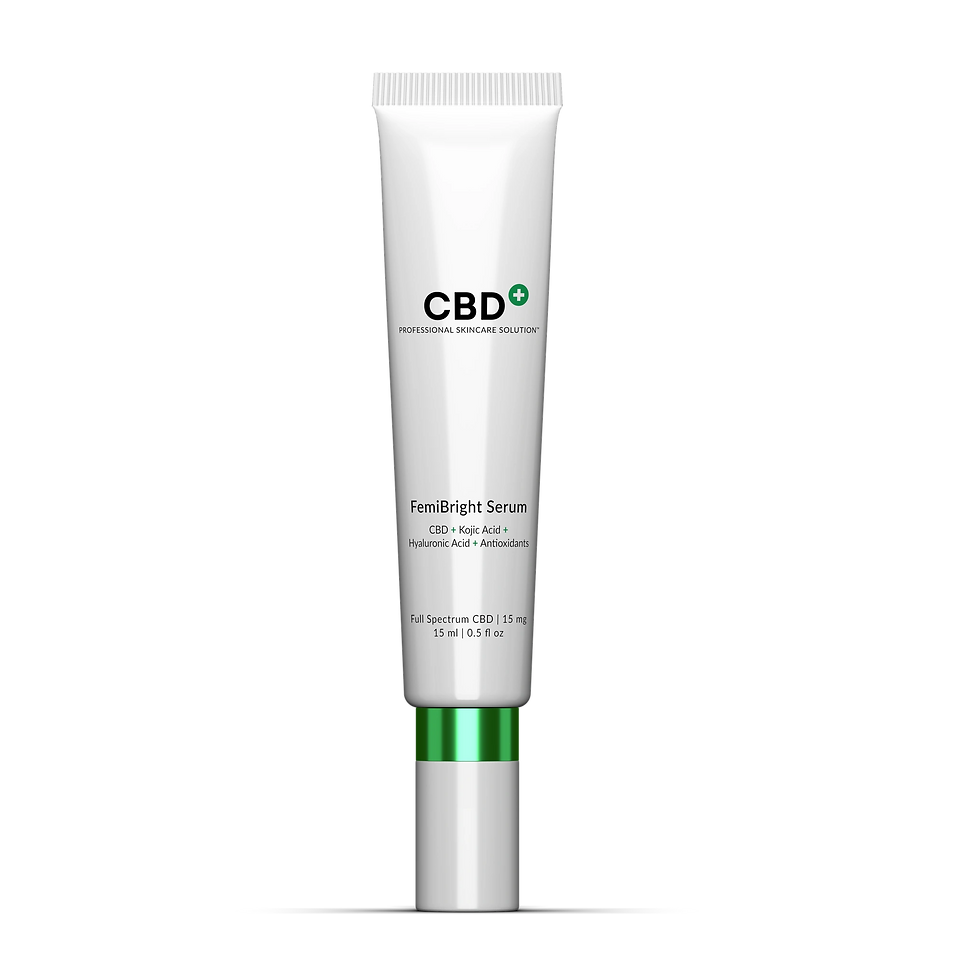
From Alma, the company that has dedicated over 20 years of research to the science of anti-aging, CBD+ is the first professional skincare solution that combines the scientific benefits of full spectrum CBD, shown to visibly reduce redness and calm the appearance of stressed skin, with clinically proven cosmetic ingredients to visibly rebalance the skin back to a natural, healthy state.
Why Choose CBD+?
+
Deeper Impact: The Endocannabinoid System
The ECS isn't just about keeping your skin looking gorgeous; it plays a vital role in immune regulation. It guides processes like cell growth, differentiation, and survival, while also influencing the delicate balance of immunity and inflammation. Disruptions in this system can even be linked to several skin conditions.
+
Beyond CBD: Innovative Ingredients
CBD+ goes beyond just Full Spectrum CBD by incorporating meticulously sourced and cutting-edge ingredient blends. This ensures that you're providing your patients with top-tier skincare options to address their concerns.
+
Unveiling the Future: Cannabinoids and Beyond
This is just the beginning of our journey into the fascinating world of the ECS and its impact on your skin. Stay tuned as we unlock more secrets and explore the potential of harnessing this powerful system for a brighter, healthier tomorrow, together!
CBD+ Testing
Federal Regulations and Testing
Alma is committed to providing quality products and treatments to our partners. This is why we go above and beyond to ensure all ingredients used in CBD+ meet federal guidelines for safety and efficiency.
What do we test for?
-
Potency: This test measures the amount of CBD in the product.
-
Purity: This test checks for the presence of contaminants, such as heavy metals and pesticides.
-
Microbiological: This test checks for the presence of bacteria and other microorganisms.
-
Consistency: We make sure that each batch of our products has the same amount of CBD and the same level of purity.

Additional Information
-
On the back of each of our bottles, there is a QR code that provides a certificate of analysis. There, you can view the actual CBD specimen in that specific CBD+ product.
-
We have less than .3% THC in each bottle, which is federally regulated by the United States Government and legal in all 50 states.
-
Clients will not test positive for THC when using our CBD+ Products.
-
Our CBD is grown in Lorado, TX
The Science
The Endocannabinoid Systen and Understanding CBD
The skin, our body's largest organ, plays a crucial role in protecting us against various environmental threats.
Beyond its protective function, it also serves as a dynamic structure with multiple roles. It serves as both the origin and destination of various hormones, possesses its own immune system, functions as our largest sensory organ, and much more. The significance of this remarkable organ is undeniable, as human life in its current form would be inconceivable without it.

The Epidermis
The outermost layer of the skin, known as the epidermis, is composed of multiple layers of epithelial cells known as keratinocytes. This dense layer serves as the body's waterproof shield, offering physical protection against UV radiation, microbial intrusions, intense temperatures, allergens, chemicals, and various other external factors.
Sensory Nerves
A vast and intricate network of nerve fibers supplies every region of the skin. Sensory nerve endings within this network can detect a wide range of stimuli, giving rise to tactile sensations such as heat, cold, numbness, pressure, vibration, pain, and itch. The skin is acknowledged as the largest sensory organ.
Skins Immune System
The skin processes its very own immune system, tirelessly defending against bacteria, viruses, allergens, and other external threats. This defense mechanism is comprised of various immune cell types, like mast cells, that reside within the skin or mobilize when danger is detected. Most importantly, all other skin cell types can join the skin’s immune system to protect and heal the organ when necessary.
The Dermis
The dermis, serves as the habitat for various "mini-organs" termed appendages. Hair is continually generated by rejuvenating follicles, and sebaceous glands contribute oily sebum to the skin's surface, strengthening the waterproof barrier of the epidermis. Sweat glands release perspiration to assist in regulating the body's temperature. These "mini-organs" are also responsible for producing diverse hormones, including steroids and Vitamin D, and contribute to the skin's immune defense. Dermal fibroblasts are the primary cells within the dermis, responsible for producing connective tissue, or elasticity.
Endocannabinoid System
Our Body & Skin's Hidden Controller
We know the skin is our body's first line of defense, but what is supporting its regulation?
The Endocannabinoid System (ECS) is a complex network that regulates many of our most basic functions, including; mood, memory, appetite, pain and also plays a pivotal role in regulating our integumentary system, commonly known as our skin—the body's largest organ. ECS has already been shown on many different cell types of the skin, including, but not limited to epidermal keratinocytes, melanocytes, mast cells, fibroblasts, sebocytes, sweat gland cells, as well as certain cell populations of hair follicles.
Endocannabinoids, which are produced on demand in response to stimuli and disruption, interact with cannabinoid receptors, CB1 & CB2, which are found throughout your skin (as well as the rest of your body). Endocannabinoids work by activating cannabinoid receptors to restore balance and to help address things like inflammation, nerve dysfunction, and unhealthy cell growth. More specifically for skin, this regulatory process involves maintaining equilibrium in moisture levels, oil production, inflammation, pain perception, itchiness, acne, and protection against free radical damage. Additionally, studies indicate that a well-functioning endocannabinoid system (ECS) stimulates the turnover of cells in the skin, facilitating the natural exfoliation of dead skin cells.

The ECS of the Skin

The ECS and the Epidermis
Activation of cannabinoid receptors by endocannabinoids on epidermal cells regulates normal function of the skin as a barrier. When CB1 or CB2 are engaged, these functions of epidermal cells are modified – whether through proliferation, differentiation, or apoptosis – which are all important processes for the healthy physical defense of the body. Endocannabinoids also suppress inflammation in the epidermis.
The ECS and Immune Cells
The ECS’ role in skin’s immunity is to constantly control the activity of the skin’s immune and inflammatory system. This
happens in two ways:
-
Endocannabinoids exert anti-inflammatory effects
-
The skin’s ECS prevents the activation of the immune system when it is not needed
The ECS and the Dermis
The ECS supports the regulation of sebaceous excretion, the amount of oil produced in our skin. Sebum plays a large role in decreasing the potential for microbes to invade the body. It can also support the health and production of fibroblast cells.
The ECS and Sensory Nerves
Activation of cannabinoid receptors on certain sensory nerve endings can hinder the function of these structures. Most importantly, when painful stimuli touch the skin, its “cannabinoid tone” can inhibit the development and spread of pain, thereby easing the body’s suffering. The skin’s ECS effectively suppresses the unpleasant sensation of itch
Example of how the ECS can be activated:

Disruption Occurs
Heat and Tissue Ablation from a laser treatment

Production of Endocannabinoids
Endocannabinoids, such as anandamide and 2-arachidonoylglycerol (2-AG), are produced by the body in response to the heat and tissue ablation

Receptor Activation
Endocannabinoids bind to and activate cannabinoid receptors, CB1 & CB2

Receptor Signaling
Once activated, these cannabinoid receptors transmit signals to cells and tissues, influencing various physiological processes. CB1 receptors will assist in wound healing and inflammation, while CB2 receptors assist in reducing pain and itch.
Phytocannabinoids and the ECS
Endocannabinoid Deficiency
Phytocannabinoids to the Rescue
Did you know that your endocannabinoid system (ECS) can react to other phytocannabinoid compounds rather than our own? These cannabis-derived phytocannabinoids, plant-derived cannabinoids, operate similarly to the body's own naturally created endocannabinoids, serving as substitutes and support when the natural balance is disrupted.
Sometimes, our bodies may struggle to produce enough natural endocannabinoids, leading to an imbalance in the systems regulated by the endocannabinoid system (ECS). Termed Clinical Endocannabinoid Deficiency, this condition is associated with factors like stress, trauma, and exposure to toxins. Dysregulation of ECS signaling has been linked to various skin issues, including atopic dermatitis, psoriasis, scleroderma, acne, hair growth and pigmentation issues, keratin diseases, and itch. The root cause of this deficiency is still being investigated.
Restoring balance to the endocannabinoid system involves incorporating phytocannabinoids into the equation.

Phytocannabinoids Can Adapt to Your Skin's Specific Needs
Phytocannabinoid-infused skincare offers a uniquely personalized approach, as the compounds in phytocannabinoids communicate with the receptors of the endocannabinoid system in your skin, promoting equilibrium. For example a single full spectrum CBD facial serum has the ability to aid in addressing both excess and deficient oil production and can effectively bring balance to both dry and oily skin—a feature unparalleled by other skincare solutions.
Did you know that among CBD's benefits for supporting the ECS, it also stands out as a powerful antioxidant, recognized by the USA as such. Studies have shown that CBD is 30-50% more pontent of an antioxidant than Vitamin C or E.

Phytocannabinoid Blends
The Importance of THC
When using the acronym CBD, you're actually referring to three different phytocannabinoid blends: Full Spectrum CBD, Broad Spectrum CBD, and CBD Isolate.
These blends vary based on the types of phytocannabinoids that they contain. Although all are derived from the cannabis sativa plant, it's important to note that there are more than 100 identified phytocannabinoids in the plant, with not all of them interacting with our bodies.
Recent research indicates that CBD is particularly beneficial for restoring balance to oily and acne-prone skin, while THC excels in moisturizing dry skin and reducing pain and itch. However, the synergy between CBD and THC is crucial, as they work most effectively together to induce the well-known entourage effect. The entourage effect is the idea that the different compounds in the cannabis plant work together to create a more powerful effect than any one compound alone. THC is thought to bind to the CB1 and CBD is thought to bind to the CB2 receptor.